Sustainability

Exploring responsibly, alongside our communities.

Responsible exploration starts before a drill rig arrives — with genuine partnership, free prior informed consent, and long-term relationships with the herder communities of Govi-Altai and Dundgovi.

By the numbers

0%

Responsible Mining Codex

Self-assessed against MNMA's ESG standard

0+

Herder households supported

Hay and fodder distributed, 2025

0

Day rehabilitation

Every drill hole capped, backfilled and restored

0

Trees planted

Various tree saplings donated to Khuld soum

Our approach

We believe responsible exploration starts before a drill rig arrives. Our philosophy is grounded in genuine partnership with herder communities, free prior informed consent, and long-term relationships.

Our approach is about working alongside communities. Three principles guide everything we do in the field.

  1. 01

    Building trust before operations begin

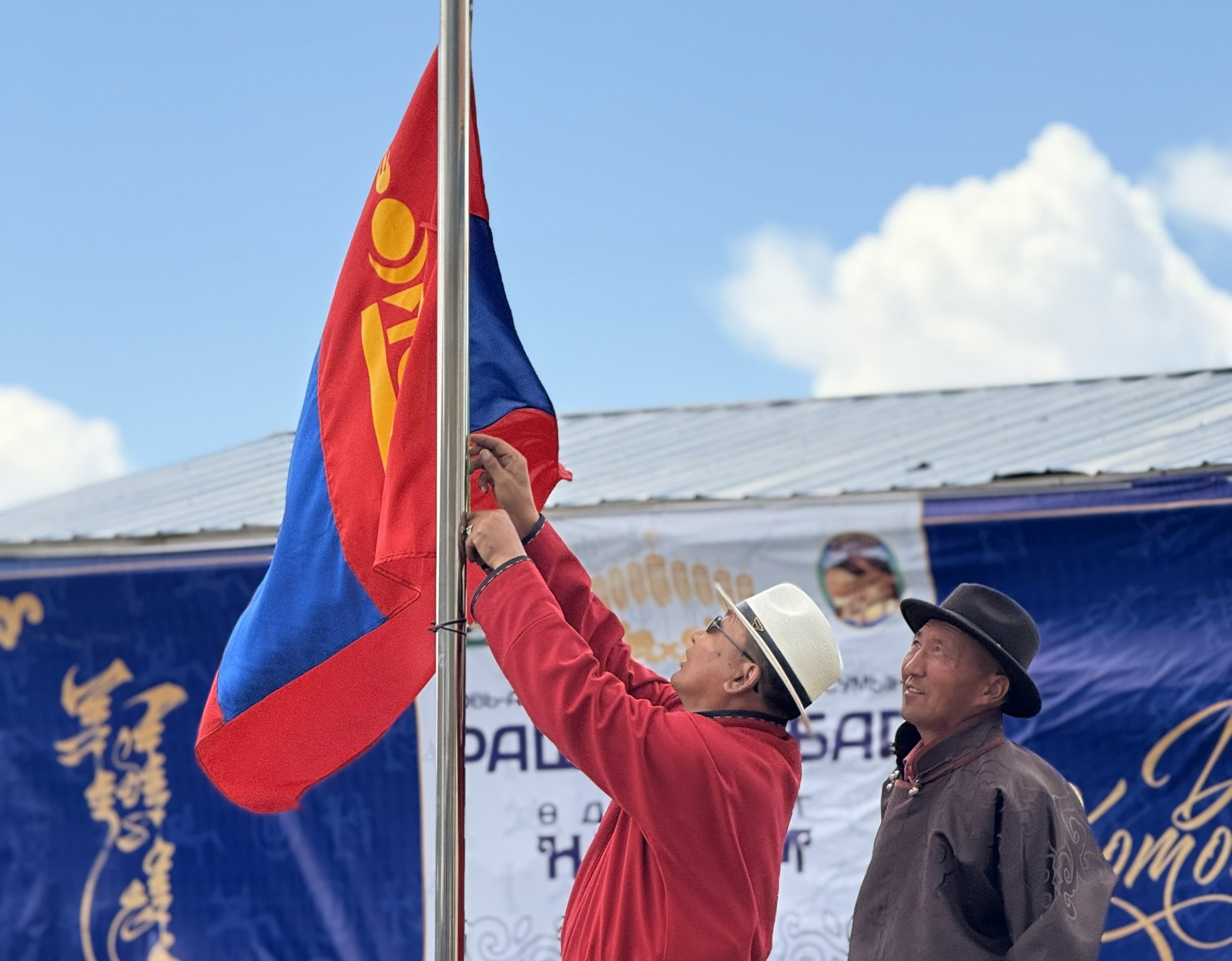
    We introduce ourselves to soum governors, bagh governors, and herder households before any field activity starts. We share what exploration is — and what it is not. Trust is earned through consistency, transparency, and following through on every commitment, no matter how small.

  2. 02

    Free, prior and informed consent

    We commit to FPIC as a non-negotiable standard. Local communities have the right to receive complete information, ask questions, and decide — without pressure — whether and how exploration proceeds on or near their lands.

  3. 03

    Herder relations in the field

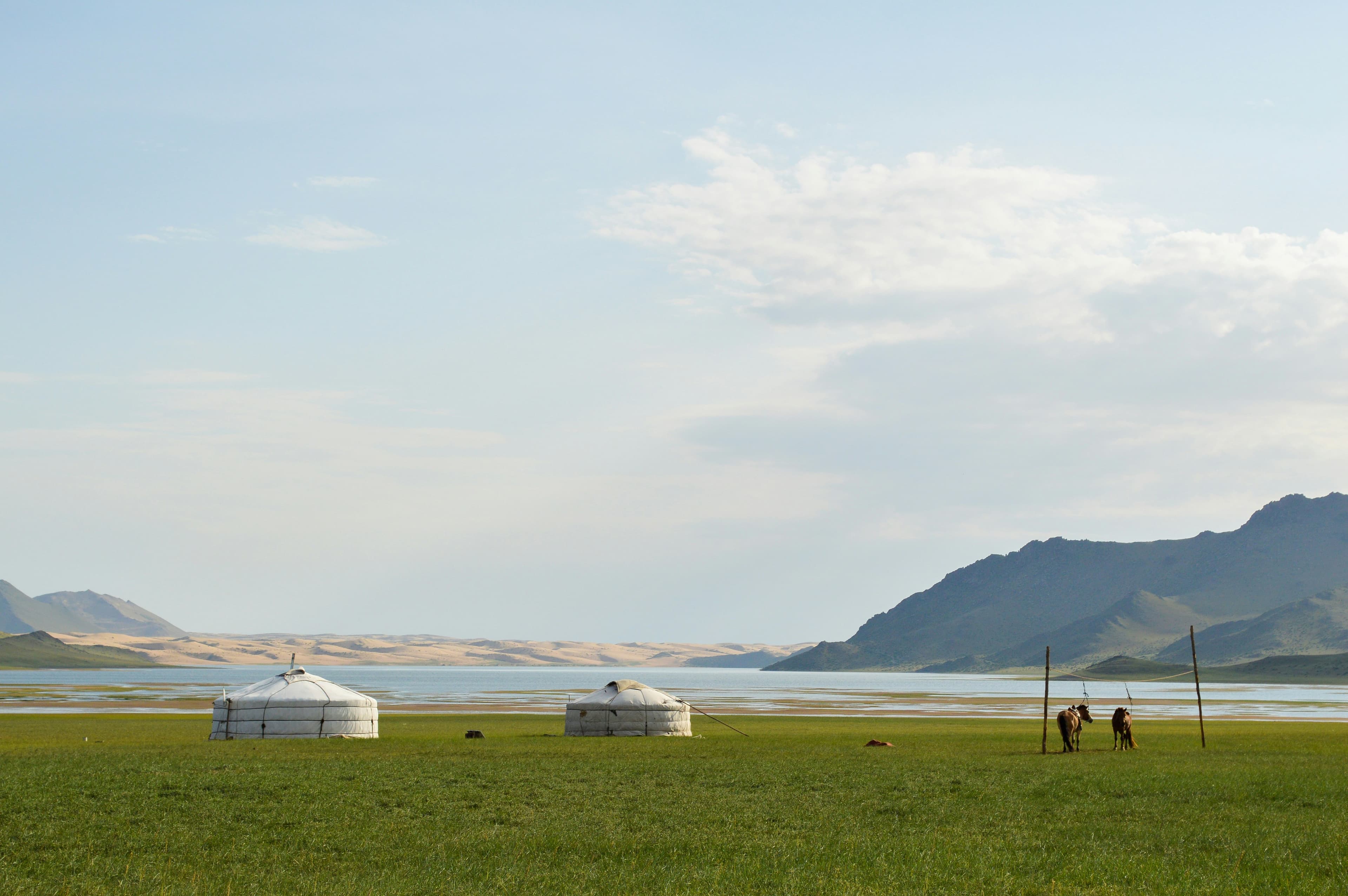
    Our field teams are experienced in respectful engagement with nomadic households. We map winter and summer pasture routes before drilling, and after every campaign we restore the land disturbed by exploration activities.

Standards we hold ourselves to

  • Responsible Mining Codex

    Self-assessed at 90% compliance against MNMA's Responsible Mining Codex, covering environment, social, governance, transparency and carbon.

  • FPIC documentation

    Consultations are recorded and archived. Communities and herders receive written summaries of what was discussed and what commitments were made.

  • Natural resource mapping

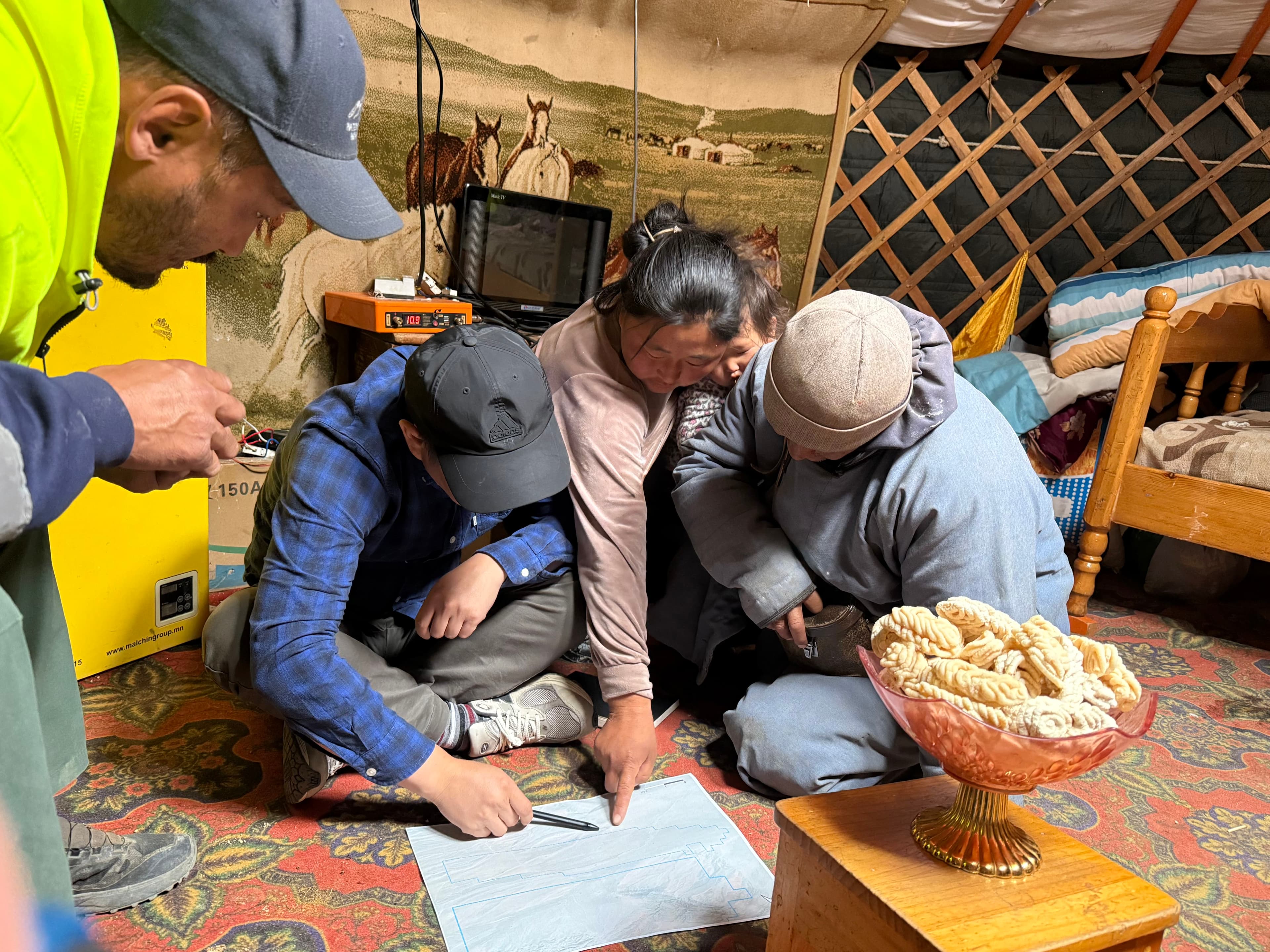
    We map grazing zones, sacred mountains, ancestral sites and water sources with herders before any ground disturbance — not after.

Stakeholder engagement

How we engage — step by step

  1. 01

    Early notification

    We secure the required permissions and notify soum and bagh governors before any planned field activity. Notification covers the location, timing, scope and potential impacts of the exploration.

  2. 02

    Community meeting

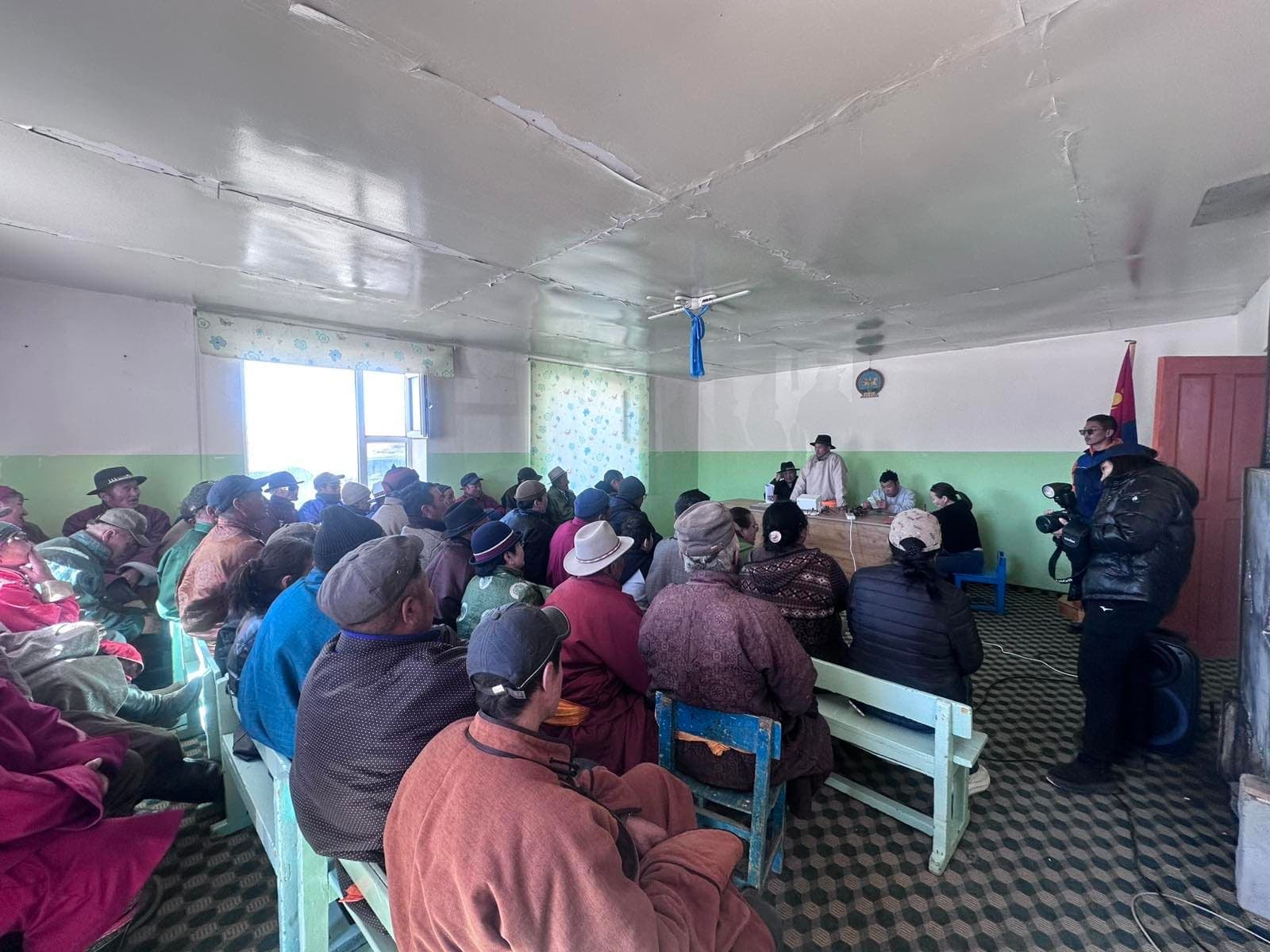
    We attend or host the regular bagh meeting to present the exploration plan, show maps and answer questions. All herder households in the area are invited.

  3. 03

    Individual household visits

    Our environment and community specialist and senior geologist visit households whose pasture or water sources may be near drilling areas. Concerns are recorded and addressed before work begins.

  4. 04

    Grievance intake

    A dedicated contact — by phone and in person — is available throughout the campaign. All grievances are logged, acknowledged and resolved in writing.

  5. 05

    Post-activity review

    After drilling, we invite local environmental officers to inspect rehabilitation work and confirm the land has been restored to their satisfaction before we close the site.

  6. 06

    SRA renewal and reporting

    Social Responsibility Agreements are renewed with soum governors, and progress on every commitment is reported publicly.

Protecting the land we explore

Environmental stewardship

Protecting the land we explore

Mongolia's steppe, rivers and biodiversity are irreplaceable. Our Environmental Management Plans set out how we minimise impacts at every stage of exploration — from the first survey to the last rehabilitation inspection.

  • Water consumption

    Drilling at Yambat uses a closed-loop water circulation system — water drawn for drilling is recycled on-site rather than discharged. No exploration activity occurs within the protection zones set by relevant Mongolian laws and regulations.

  • Water quality

    Water samples are taken from rivers, springs and wells in the Maikhan Uul and Yambat areas and processed at certified laboratories.

  • Biodiversity

    10 vascular plant species across 7 families recorded at Yambat, with none on Mongolia's protected list. Wolves, gazelle, lynx, fox, saiga (бөхөн) and argali are documented and avoided in drilling-path planning.

  • Air quality

    The Yambat and Maikhan Uul sites sit far from settlements with no industrial emission sources nearby. PM2.5 and PM10 are monitored, dust suppression is applied on field roads in the dry season, and field crews are briefed on vehicle speed limits — especially near herder camps.

  • Site rehabilitation

    Every drill hole is sealed immediately on drilling completion, then backfilled and the surface returned to its original condition. Management reports are verified by the local community.

  • Environmental Management Plan

    Formal EMPs are approved annually by local governors for all sites, covering water, waste, hazardous materials, biodiversity impacts and rehabilitation — reviewed and approved each year.

Stakeholder engagement

Social Responsibility Agreements, by location

Our year-round stakeholder engagement program is underpinned by the Social Responsibility Agreements with local soum and provincial authorities, covering community investment, environmental stewardship, and local participation. The engagement is continuous, with open communication maintained through meetings, consultations, and site visits. We believe responsible exploration depends on meaningful community partnerships — the foundation of our ESG strategy and social license to operate.

Local investment

Investing in communities

The Company has invested in and supported community development across Dundgovi aimag since 2019 and Govi-Altai aimag since 2022 — covering education, health and livelihoods. Our social responsibility spending is directed by what communities tell us they need, not what we assume.

  • Playgrounds and school incentives
    Education & children

    Playgrounds and school incentives

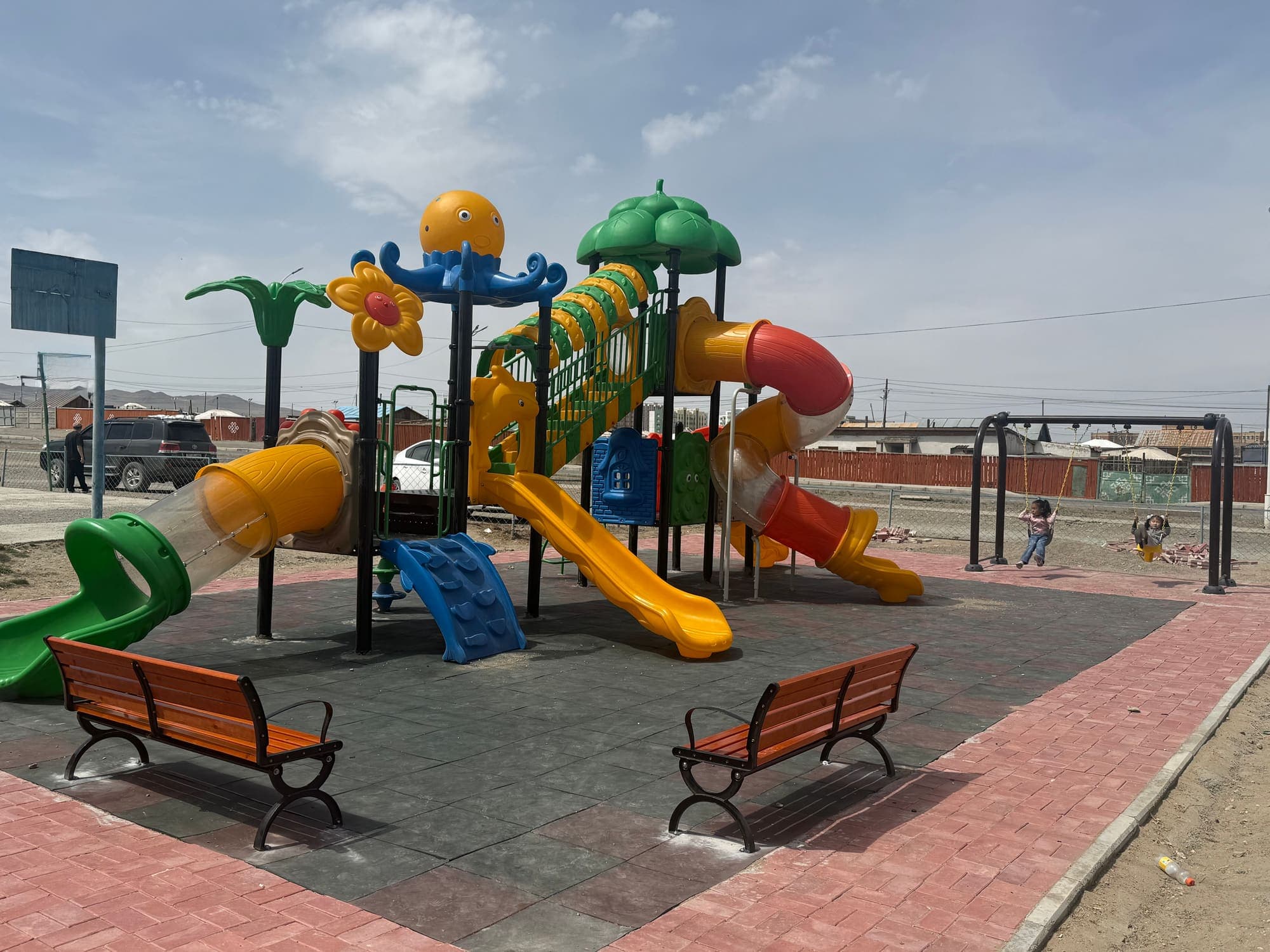
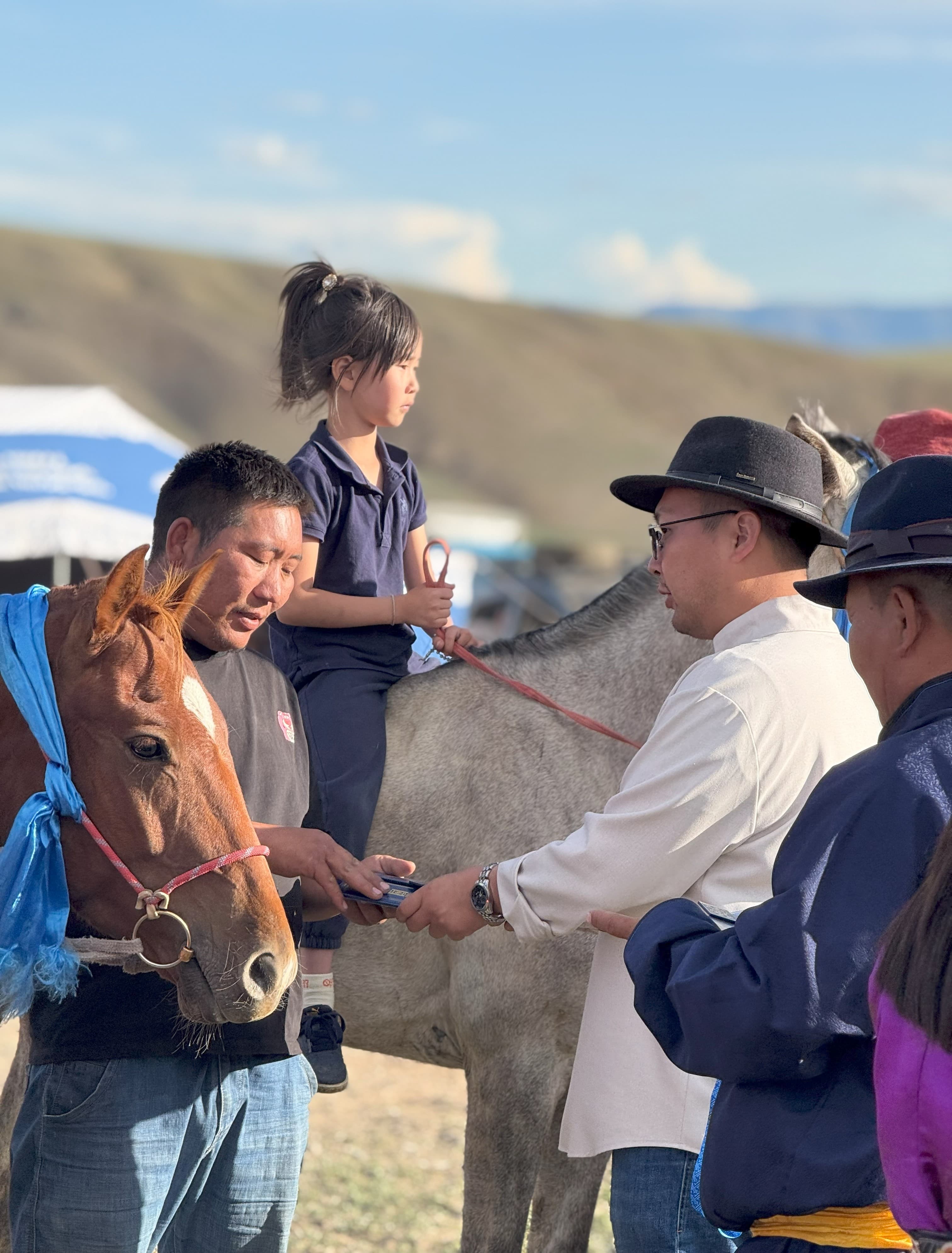
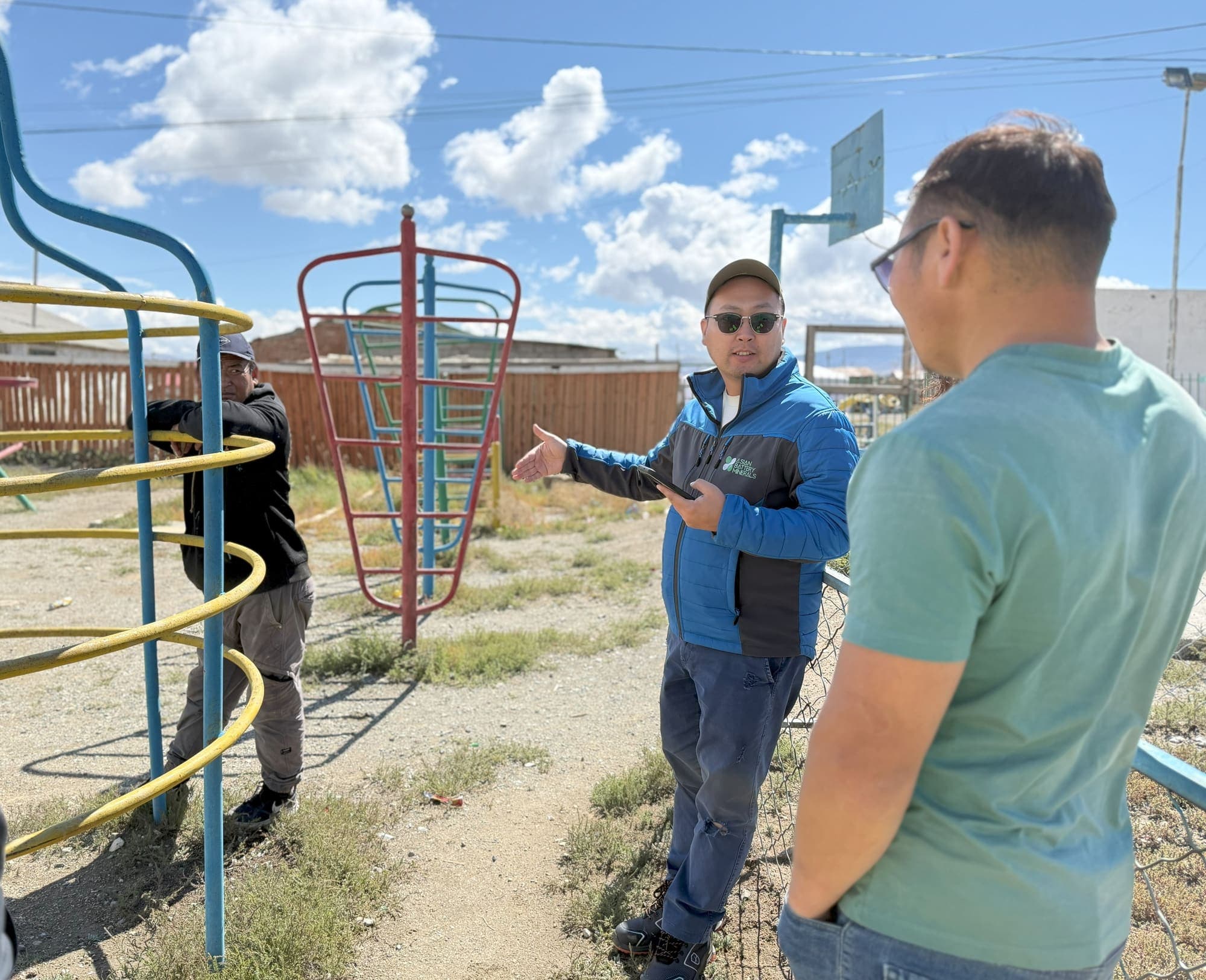
    A playground was built in Yesunbulag soum (completed spring 2026). The Company supported teacher and student incentives in Yesunbulag and Taishir, and delivered 1,000 L of milk under Taishir soum's children's milk program.

  • Hay and fodder support
    Herder livelihoods

    Hay and fodder support

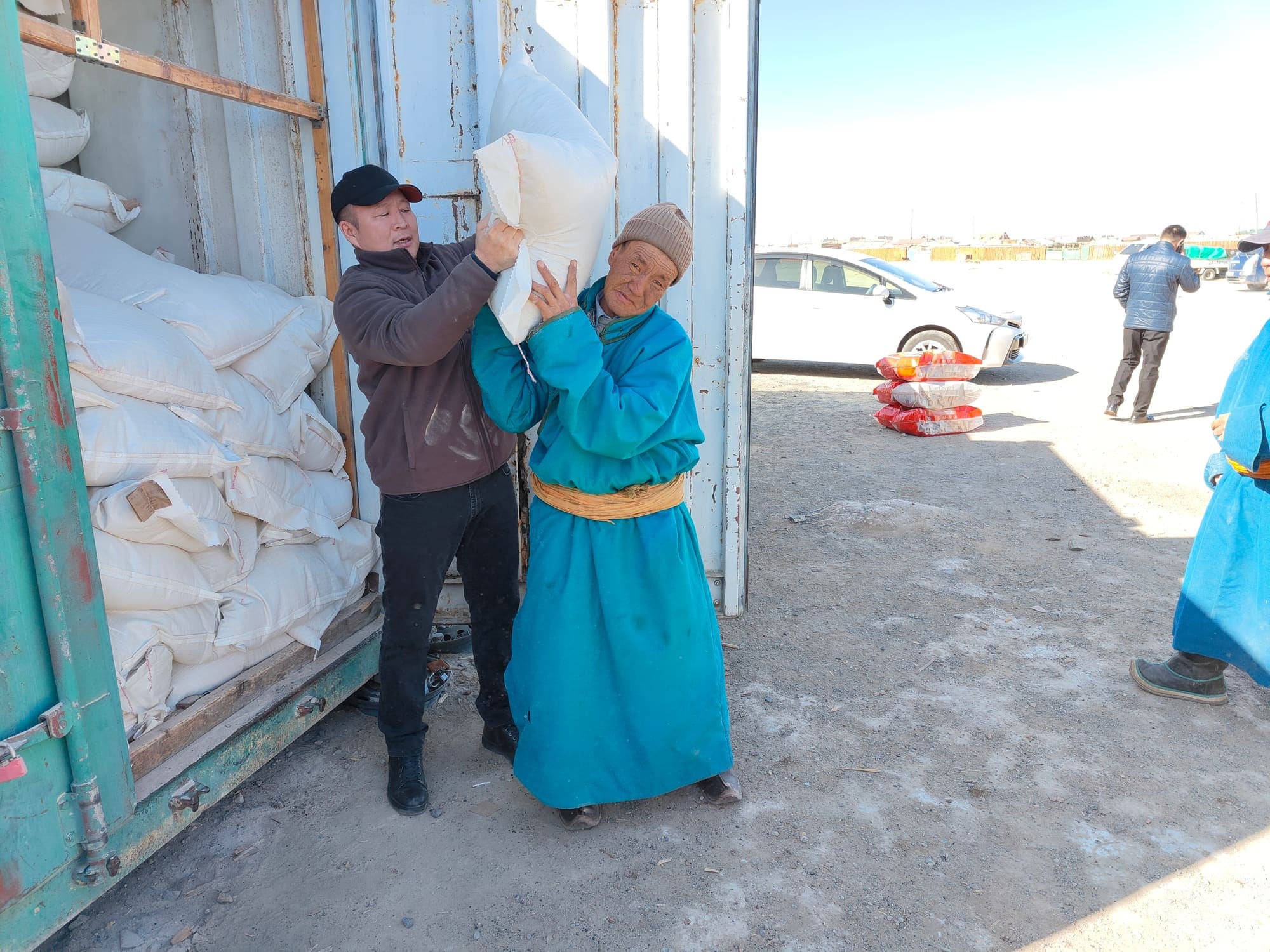
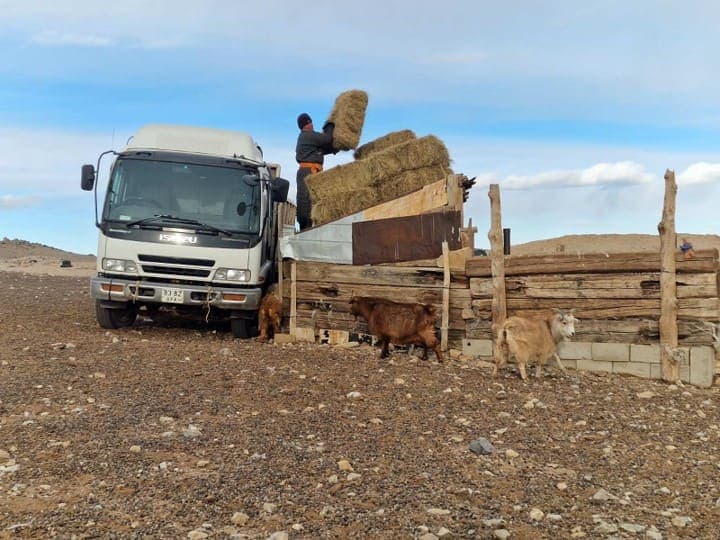
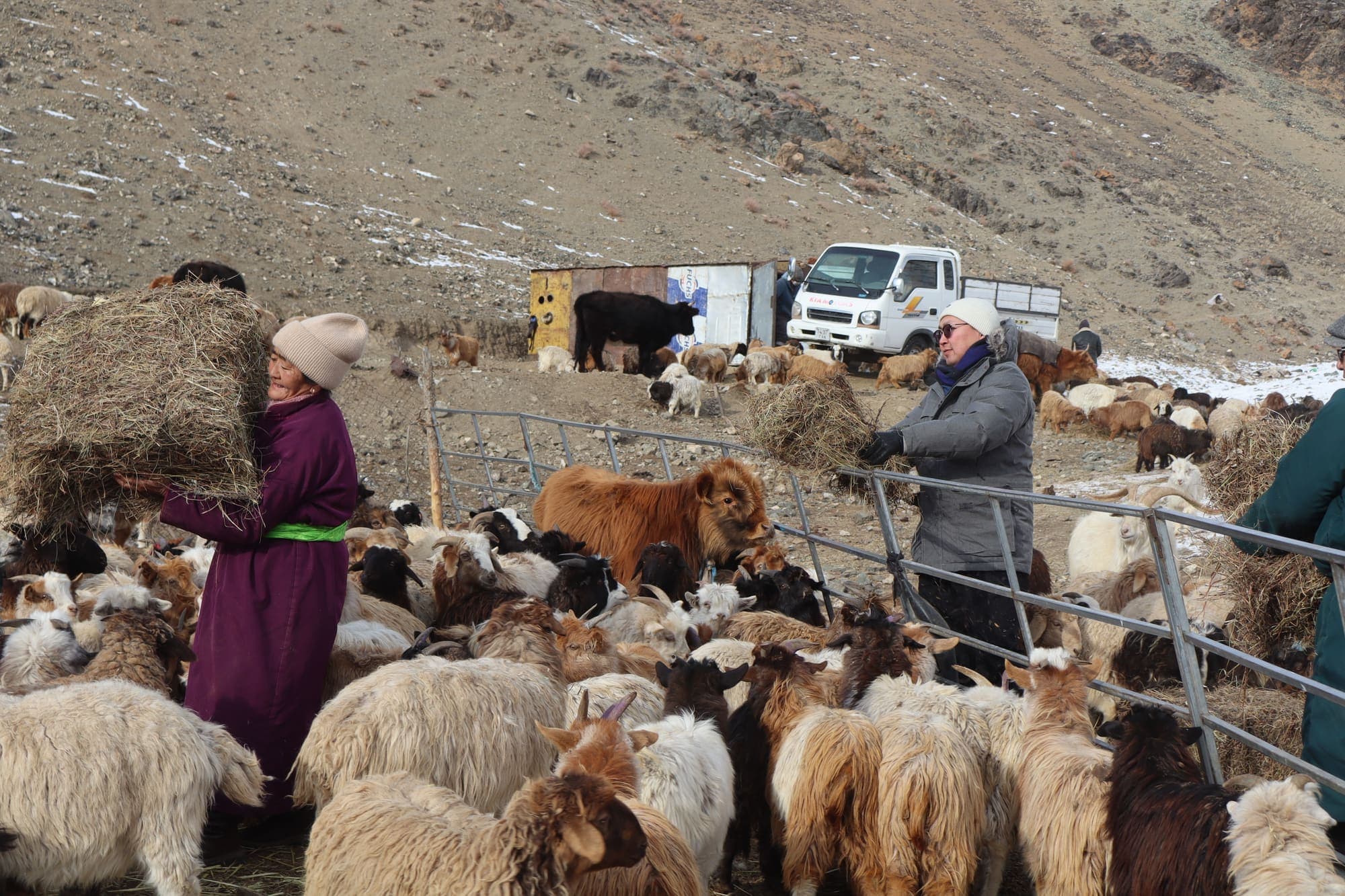
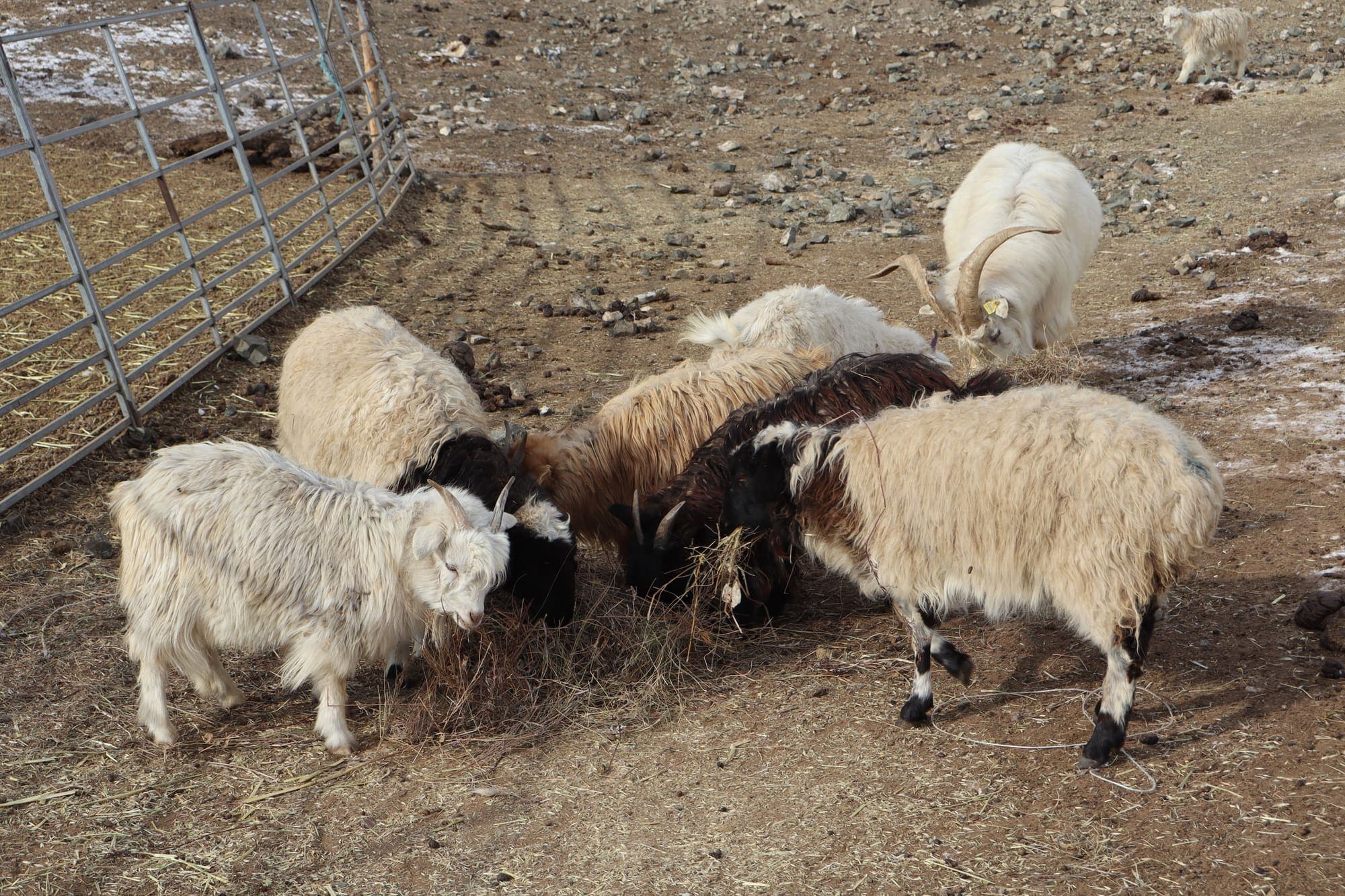
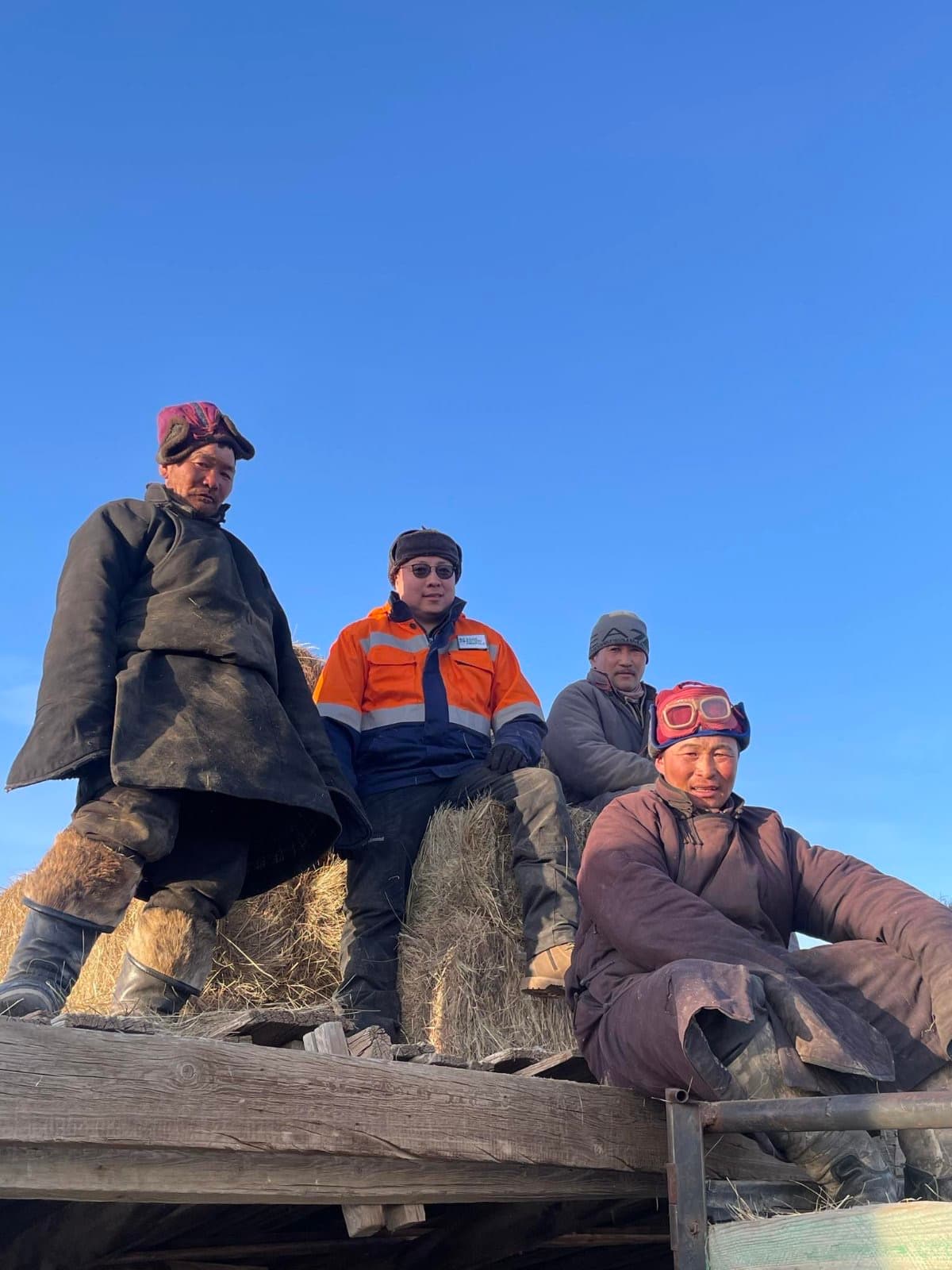
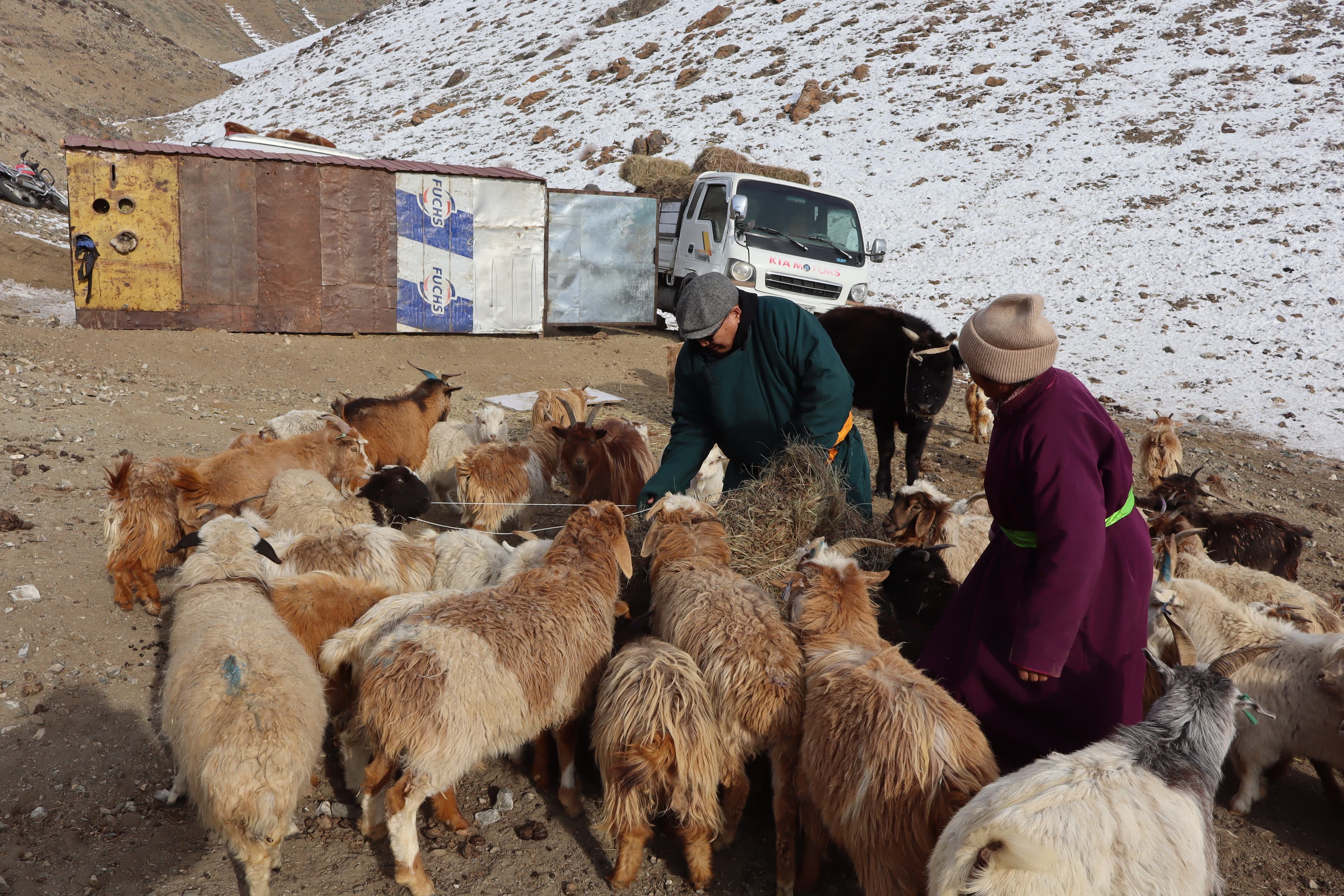
    During difficult winter conditions the Company delivered hay and fodder to 180 herder households in 2024 and to 345 households in 2025.

  • Early-detection screenings
    Health

    Early-detection screenings

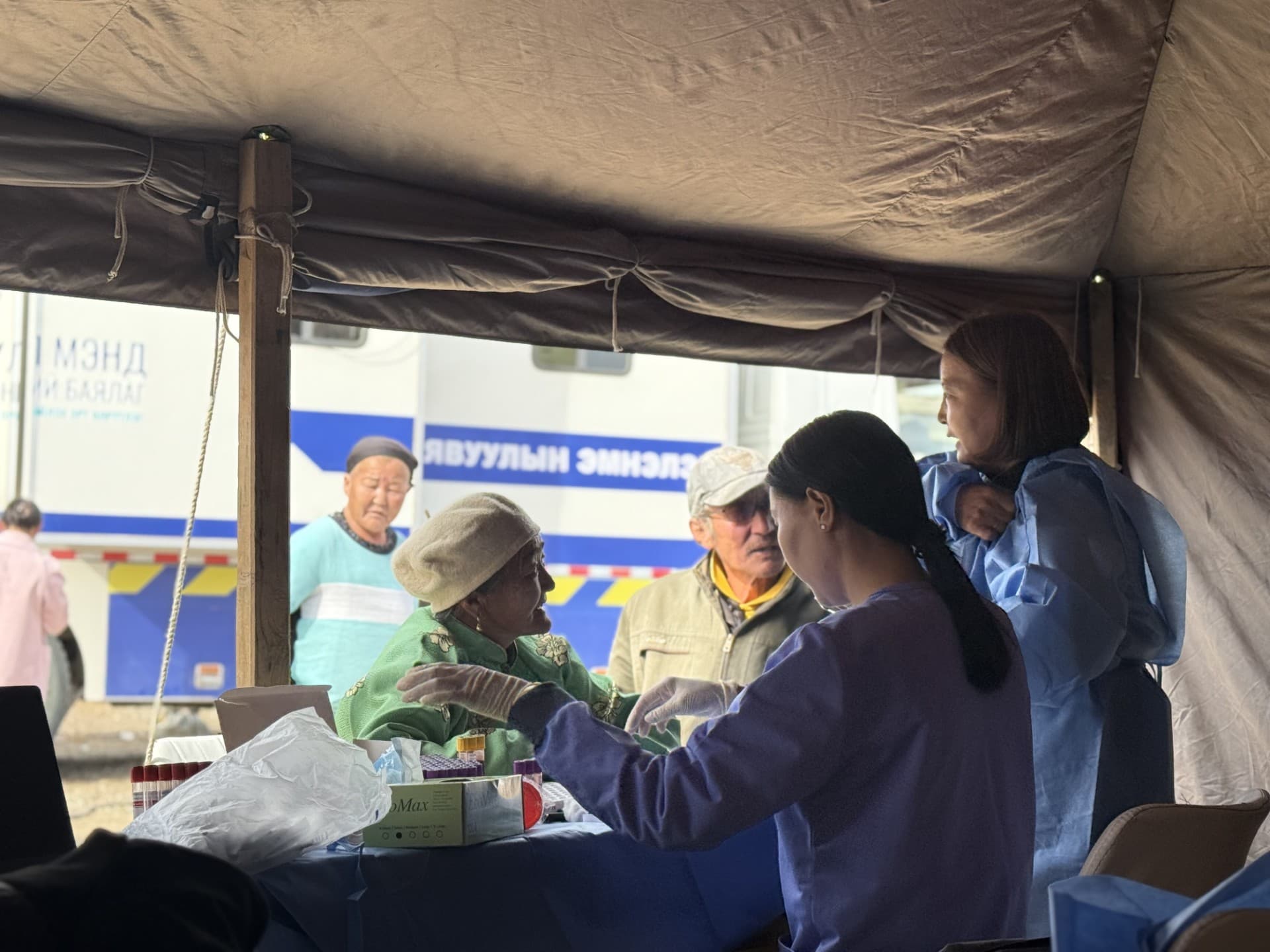
    In 2025 we supported early-detection medical screenings for the senior herders of Rashaant bagh, who live far from regular health services.

  • Greening the soum centre
    Environment

    Greening the soum centre

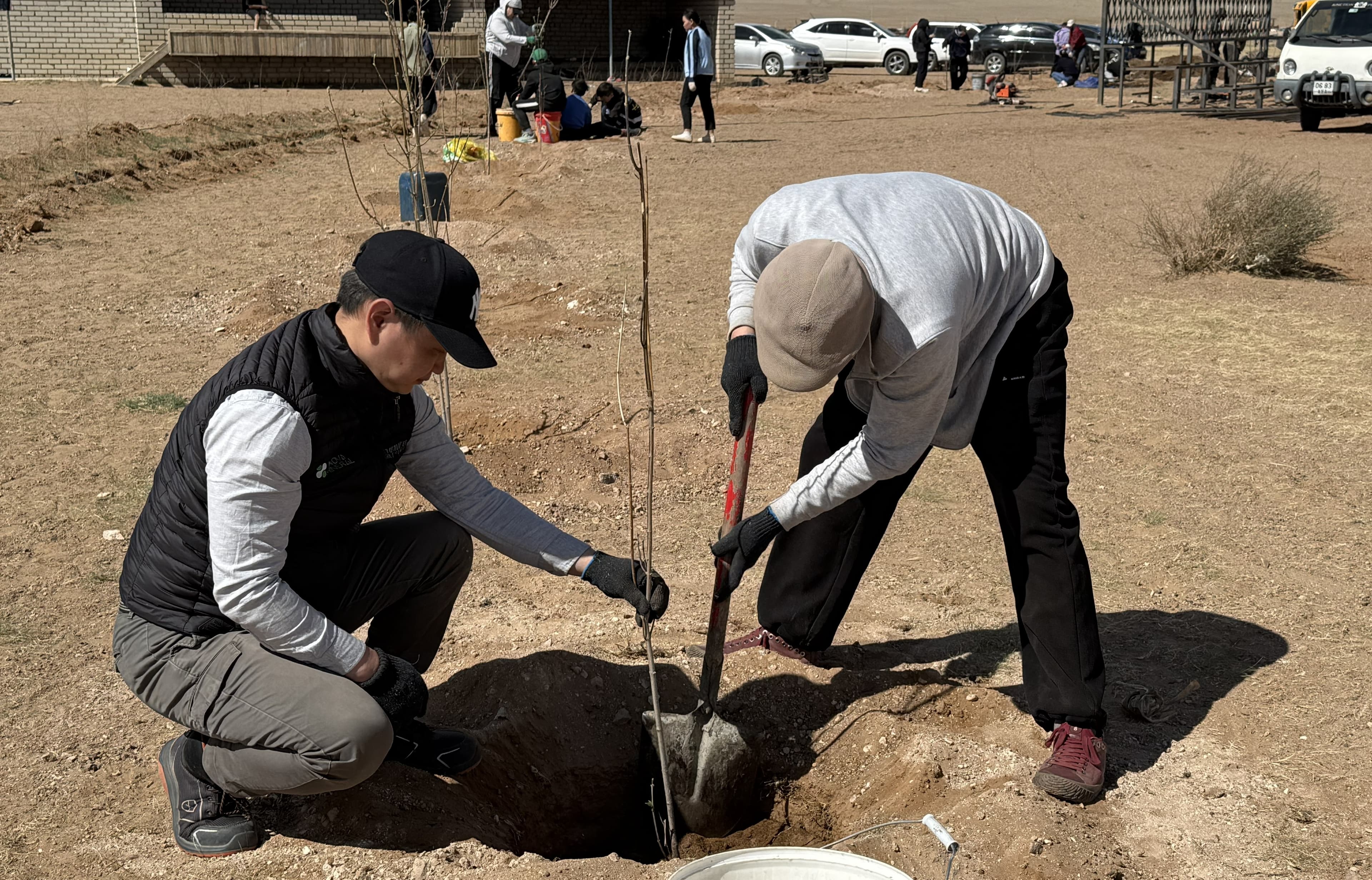
    We handed over 445 ornamental tree saplings for the landscaping of Khuld soum's festival grounds, 4,600 elm saplings for the soum centre landscaping, and 10 solar-powered streetlights under a formal agreement, and joined the tree-planting works on site.

Community stories

Real people, real communities

Behind every Social Responsibility Agreement and every data point is a family, a bagh, a way of life. These stories are gathered by our employees during field visits across Govi-Altai and Dundgovi — because sustainability is not a report, it is a dynamic relationship.

When the dzud came, so did the fodder

When the dzud came, so did the fodder

The 2024 winter was one of the hardest in memory, with early and prolonged snowfall, and herder families in Rashaant bagh were running low on reserves. For three years running, the Company has delivered hay and fodder, reaching every herder family before the worst of the cold hit.

Batkhurel B.Project Lead
Revitalising community spaces

Revitalising community spaces

Addressing a key community need, we partnered with the Yesunbulag soum administration to create a dedicated play space for local children. Following a formal request at the 2025 SRA meeting, the Company funded and completed the playground; the administration is leading the final landscaping, due in spring 2026.

Purevdorj D.Business Development Manager
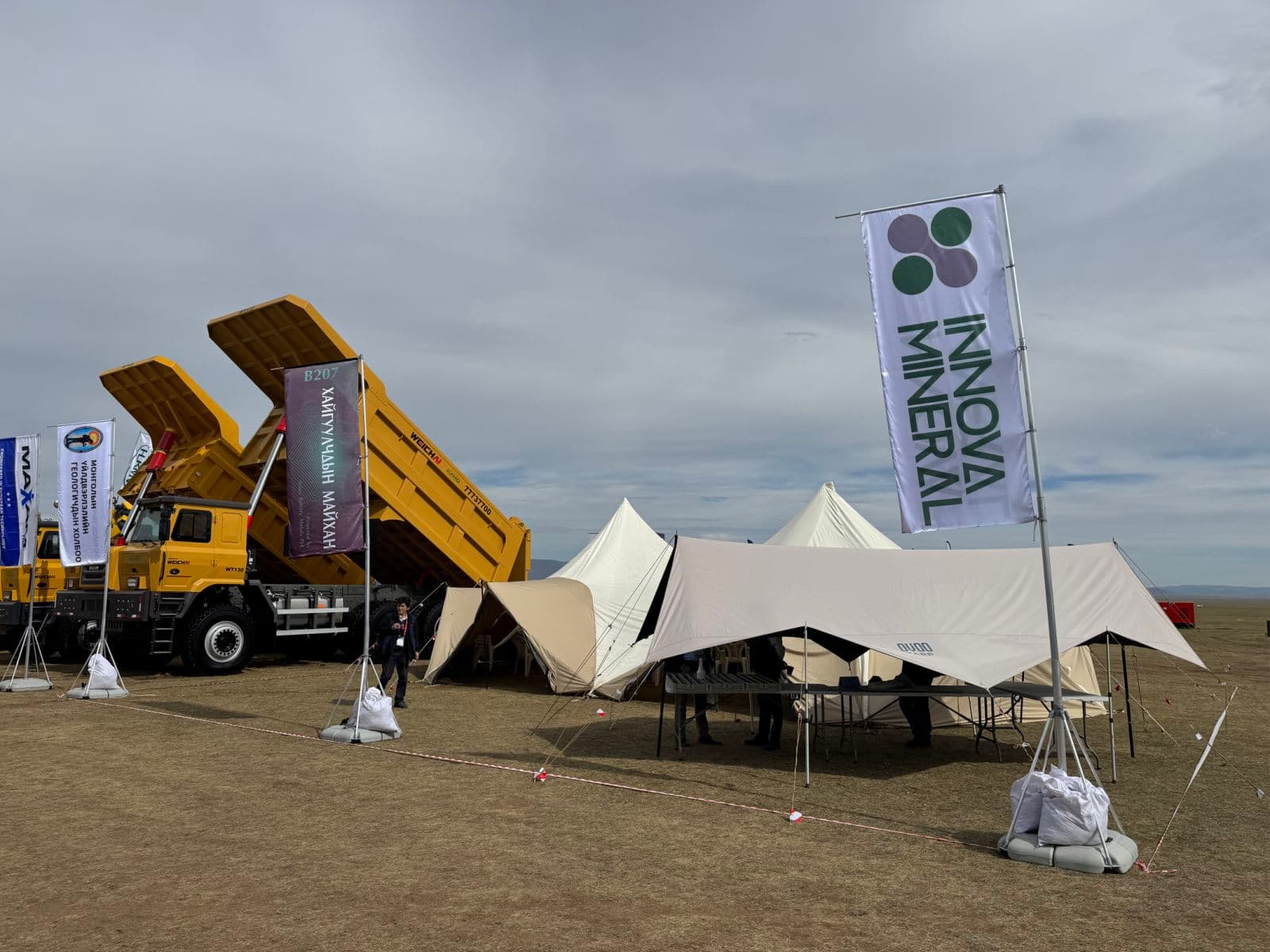
Local stakeholders at the table — Mining Week 2025

Local stakeholders at the table — Mining Week 2025

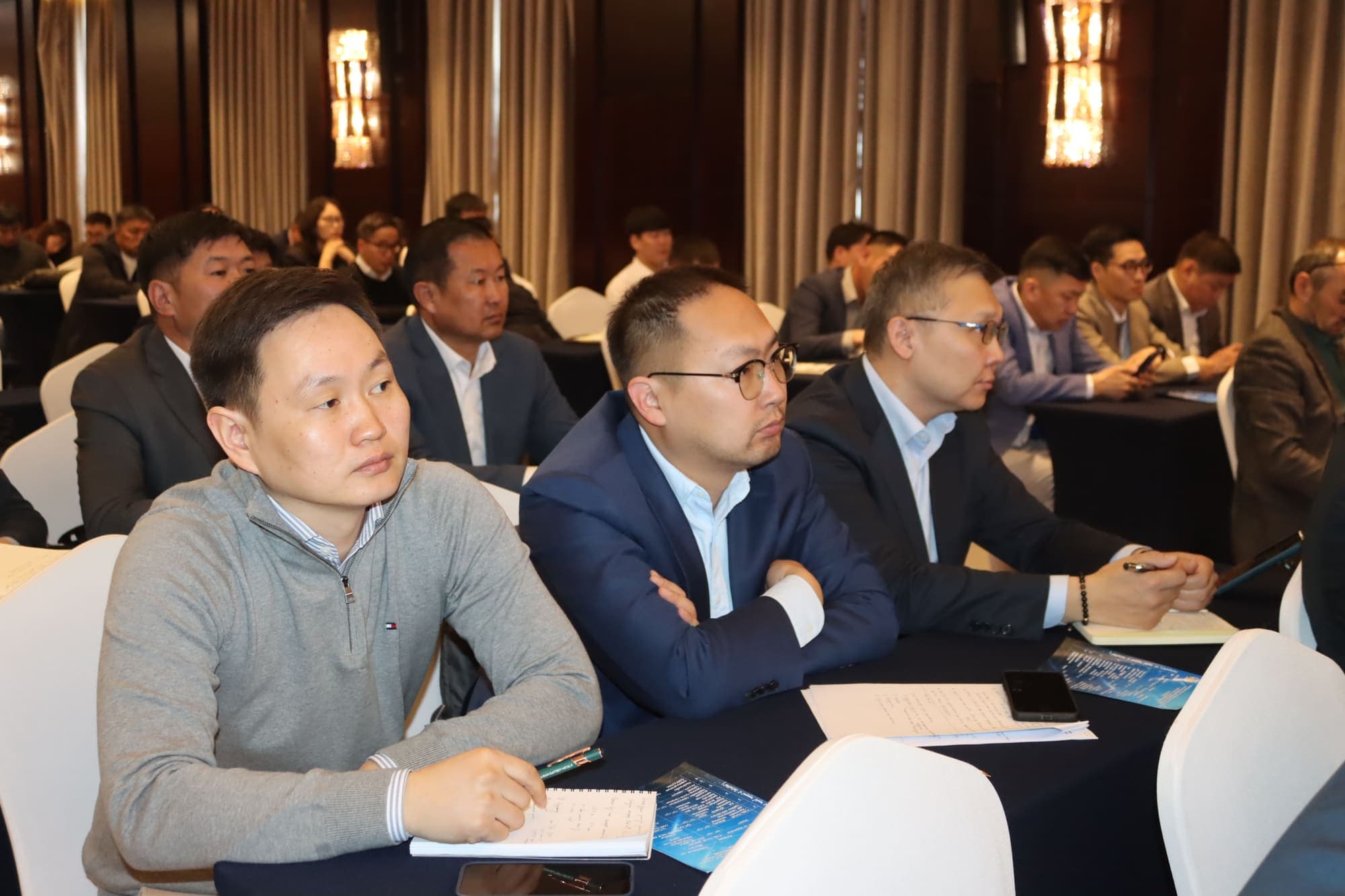
For the first time, we brought local government representatives — soum and bagh governors, environmental officers — to Mongolia's national Mining Week. They joined roundtable discussions on sustainable development and SRA policy. We also organised a Geology and Mining station tour for Rashaant bagh residents to share foundational knowledge about exploration.

Bilguun B.Environment & Community Specialist
Mapping the land with those who know it best

Mapping the land with those who know it best

Before beginning exploration at Bayan Sair, we partnered with local herders to document pasture routes, sacred land, water sources and seasonal camps. The resulting Natural Resource Map is now integral to our exploration decisions at the site.

Sainbayar B.Admin Officer

From the field

  • Field environmental baseline survey

    01Field environmental baseline survey

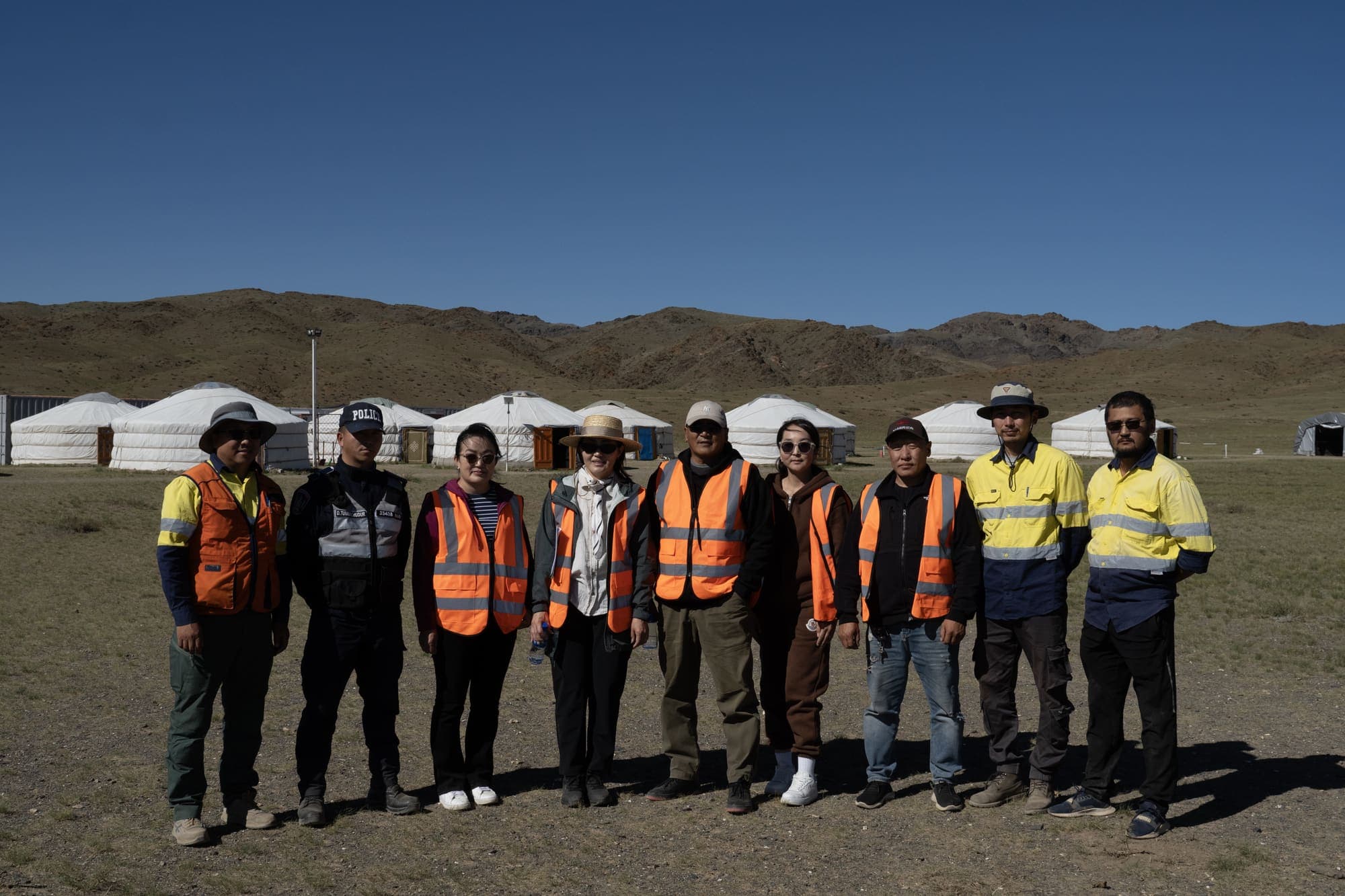
  • On-site team, Govi-Altai

    02On-site team, Govi-Altai

  • Community engagement session

    03Community engagement session

  • Water resource monitoring

    04Water resource monitoring

  • Rehabilitation and land care

    05Rehabilitation and land care

  • Local stakeholder visit

    06Local stakeholder visit

  • Exploration camp operations

    07Exploration camp operations

  • Community partnership program

    08Community partnership program

Reports & disclosures

Approved reports, policies and disclosures will be linked from this section as they become available for publication.